
Avoiding Common MySQL Schema Design Pitfalls
Avoid data redundancy and slow updates. Practical tips for normalization, choosing primary keys, and planning for future scale.
Discover step-by-step performance optimization techniques for PHP, MySQL, and web servers. Learn how to identify bottlenecks, reduce response time, optimize database queries, and improve production application speed.
Avoid data redundancy and slow updates. Practical tips for normalization, choosing primary keys, and planning for future scale.

Poor JOINs can crash a database. Learn about Indexing strategies, avoiding 'SELECT *', and using EXPLAIN to see how MySQL joins your tables.

A performance comparison. See how dedicated CPU threads and NVMe storage on a VPS outperform the "unlimited" promises of shared hosting.

Using 'TEXT' where 'VARCHAR' fits? Learn how improper types increase disk I/O and slow down your JOINs by bloating your database size.

High load average? Use 'top' and 'strace' to find out which PHP process is looping and how to optimize high-intensity calculations.

Using the wrong column order in composite indexes? Learn why your indexes might be ignored and how to fix your schema design.

Don't just set it to -1. Learn how to identify memory leaks in your code and when it’s actually safe to bump the limit in your php.ini.
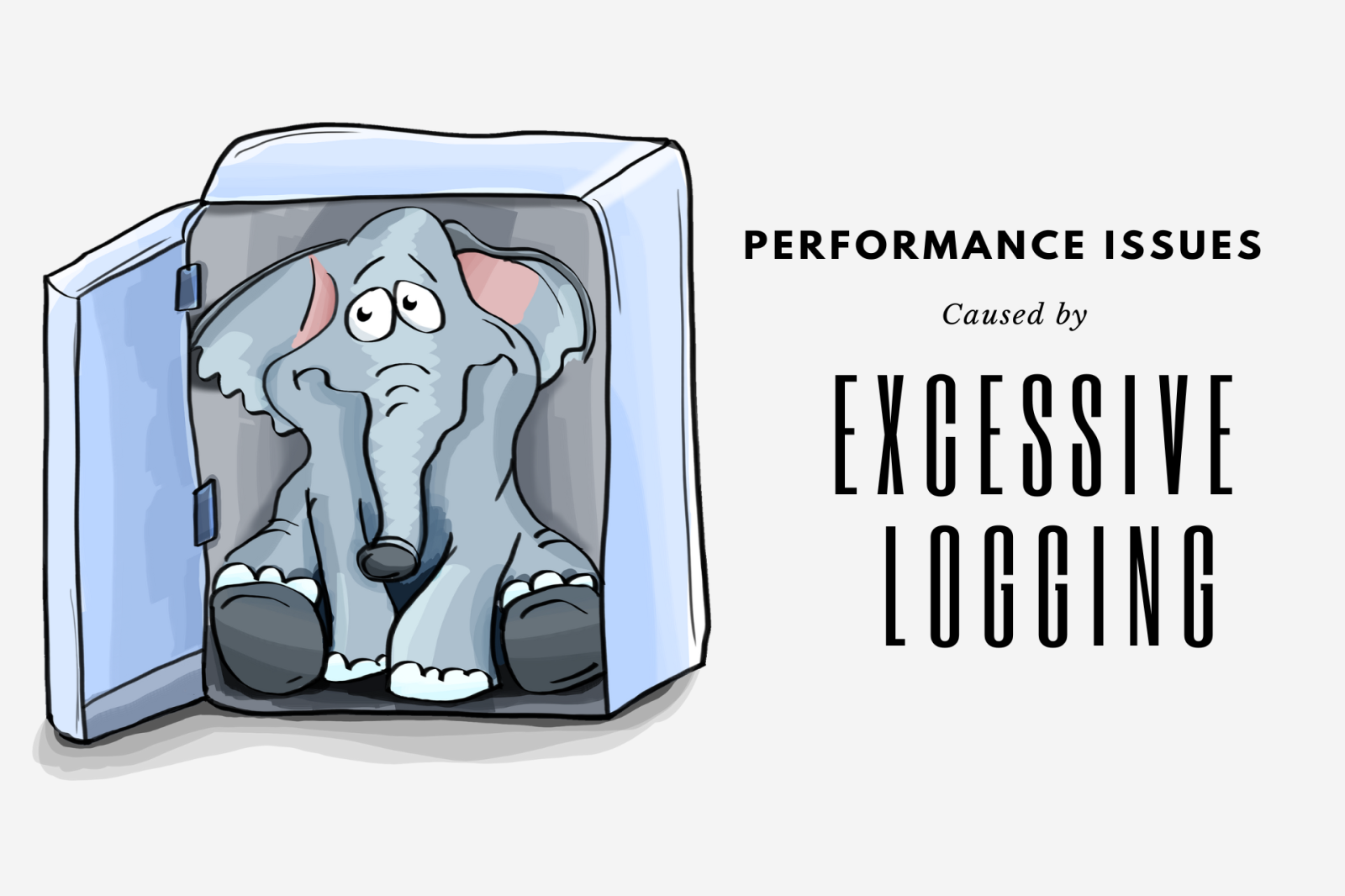
Writing to disk is slow. Learn how debug-level logging in production can create I/O bottlenecks and how to switch to buffered or error-only logging.
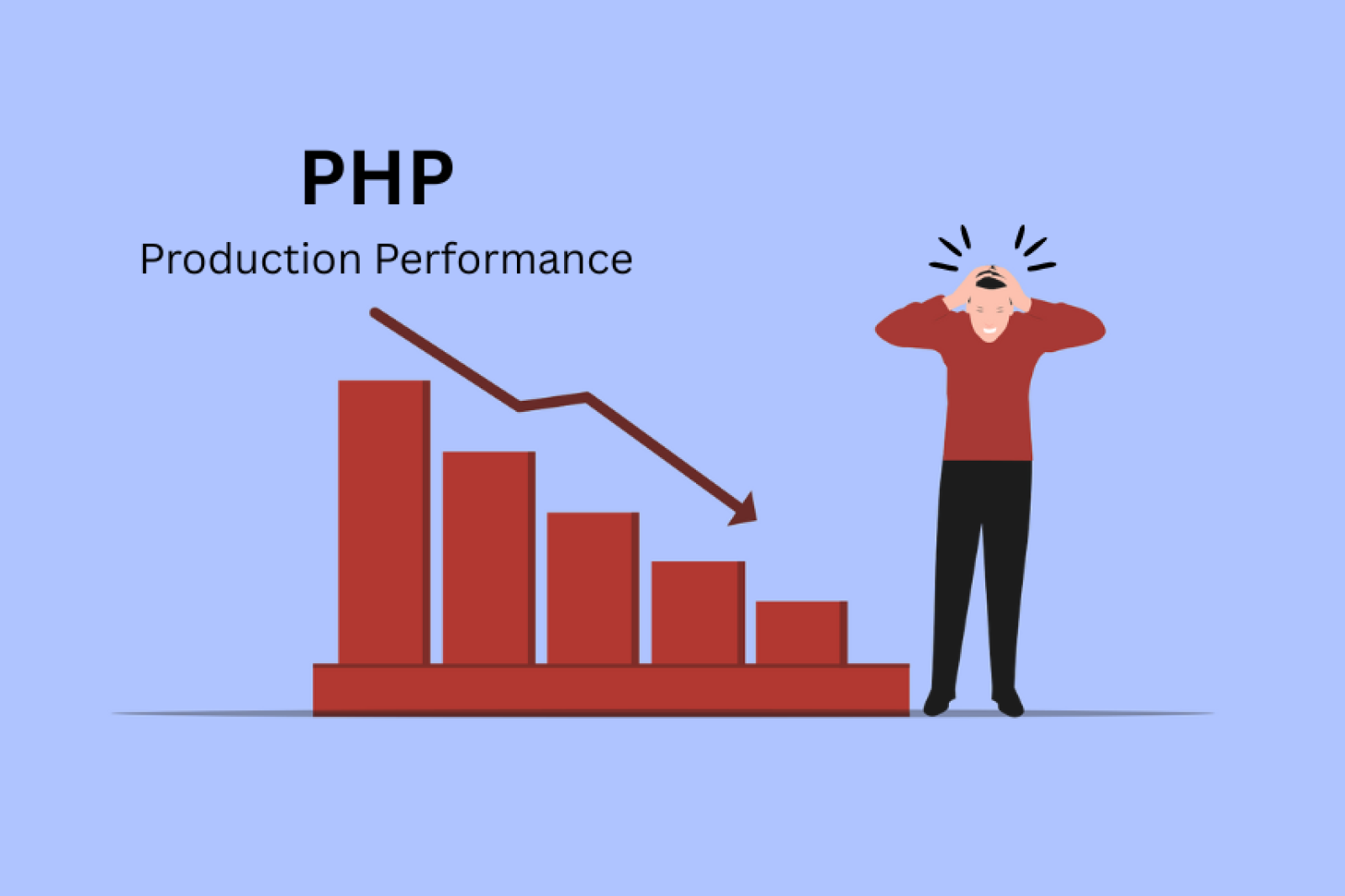
Is your app getting slower every month? Check for fragmented tables, massive log files, and unoptimized queries that grow with your data.
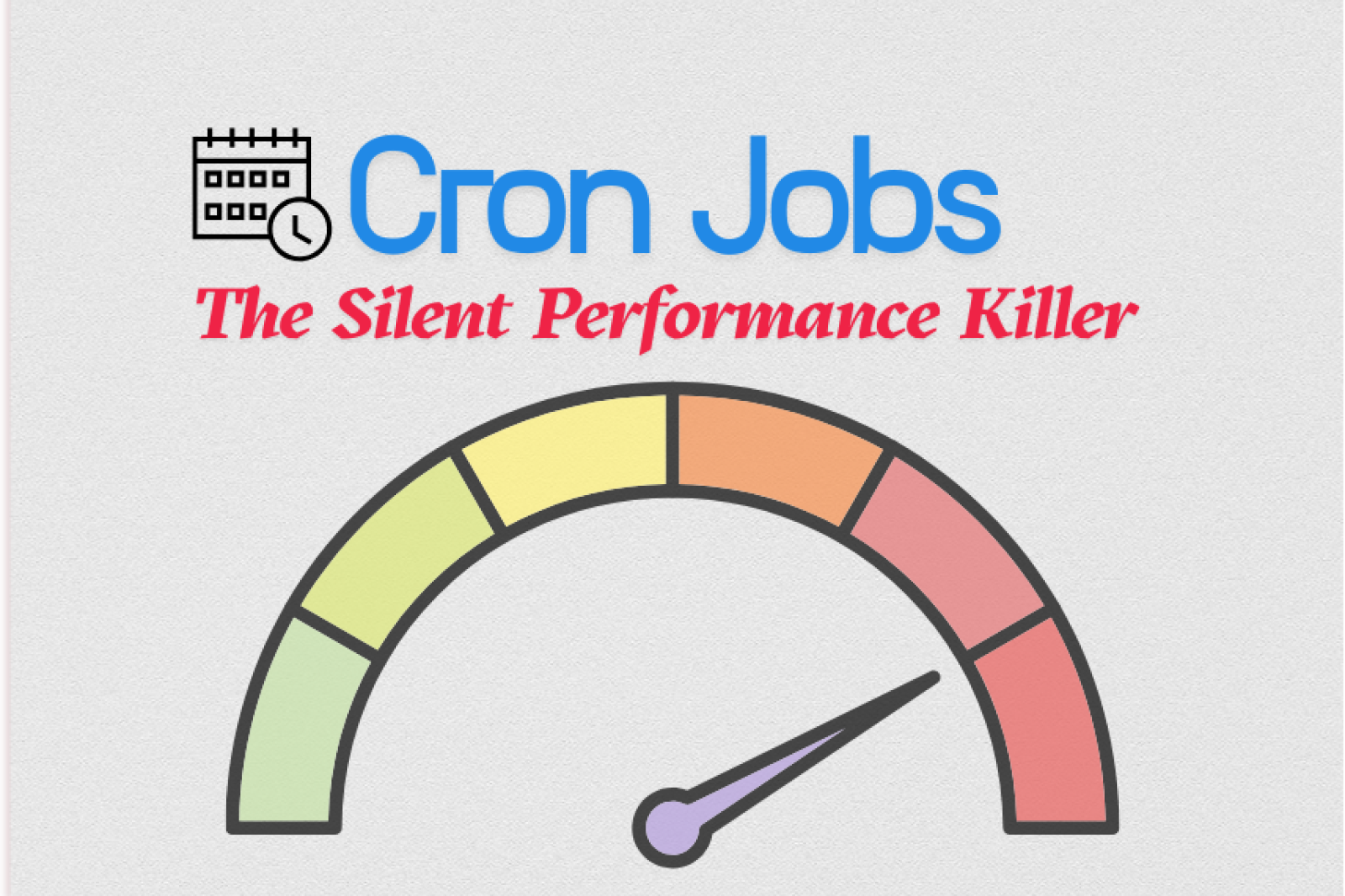
Are your scheduled tasks crashing the server? Learn how to use locking mechanisms to prevent a new cron from starting before the old one finishes.
Slow performance is typically caused by inefficient database queries, lack of caching, heavy server processing, unoptimized assets, or server misconfiguration.
PHP performance can be improved using OPcache, reducing redundant loops, minimizing database calls, and implementing caching mechanisms.
Caching stores precomputed results so that repeated requests do not require full database or server processing, significantly reducing response time.
Query optimization involves analyzing and improving SQL queries using indexing, restructuring joins, and reducing unnecessary operations.
Performance bottlenecks can be identified using profiling tools, slow query logs, server monitoring, and performance analysis utilities.