Speeding Up MySQL in Production
Stop MySQL bottlenecks on your VPS or Cloud server. Learn how to tune the InnoDB buffer pool, thread cache, and query limits for high-concurrency apps.
Discover step-by-step performance optimization techniques for PHP, MySQL, and web servers. Learn how to identify bottlenecks, reduce response time, optimize database queries, and improve production application speed.
Stop MySQL bottlenecks on your VPS or Cloud server. Learn how to tune the InnoDB buffer pool, thread cache, and query limits for high-concurrency apps.
Use built-in PHP functions to time your code and measure memory peaks. Simple profiling techniques for developers who want quick answers.
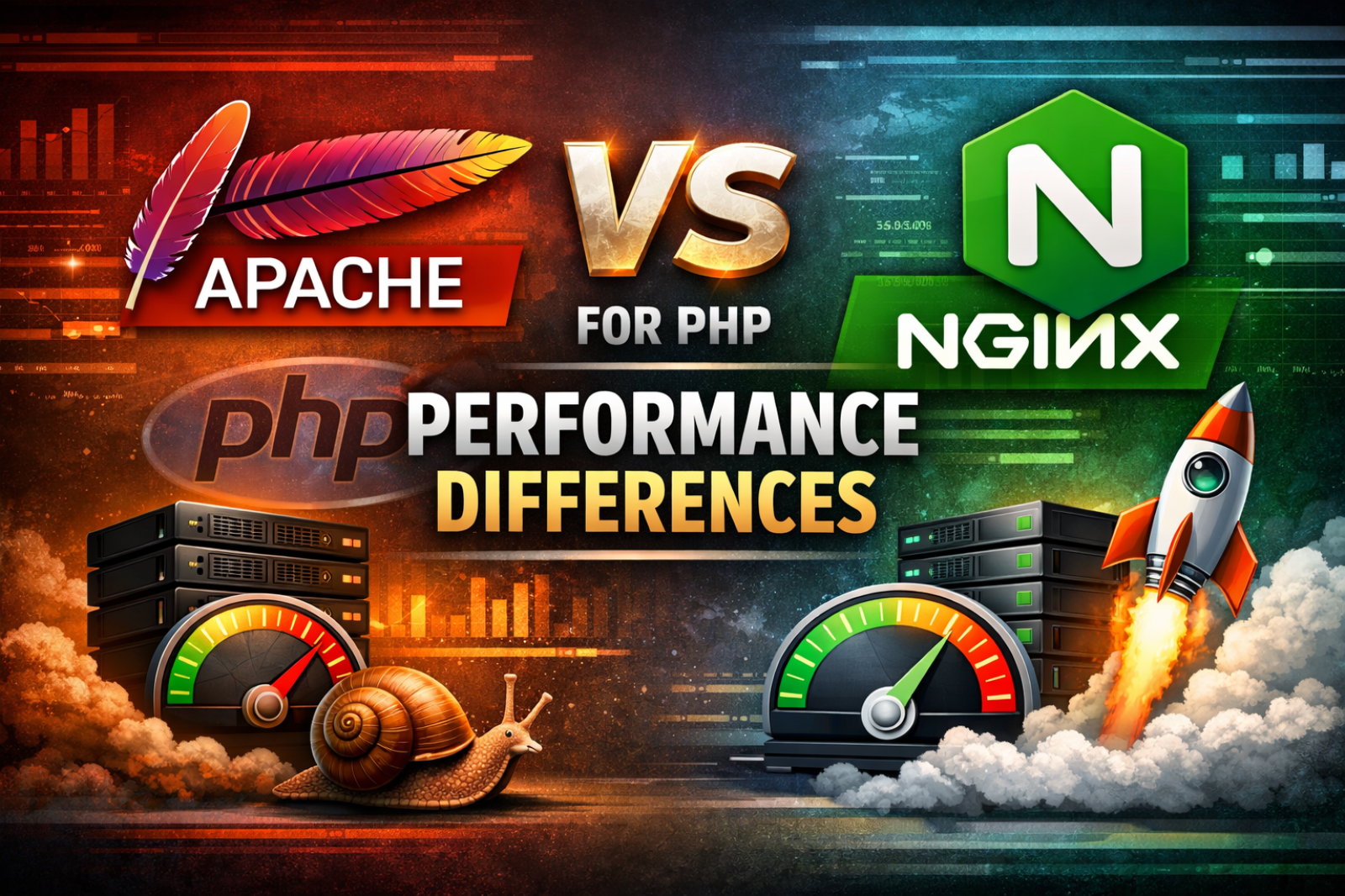
It’s all about the process model. Compare mod_php vs. FPM and see which web server handles concurrent PHP requests more efficiently.
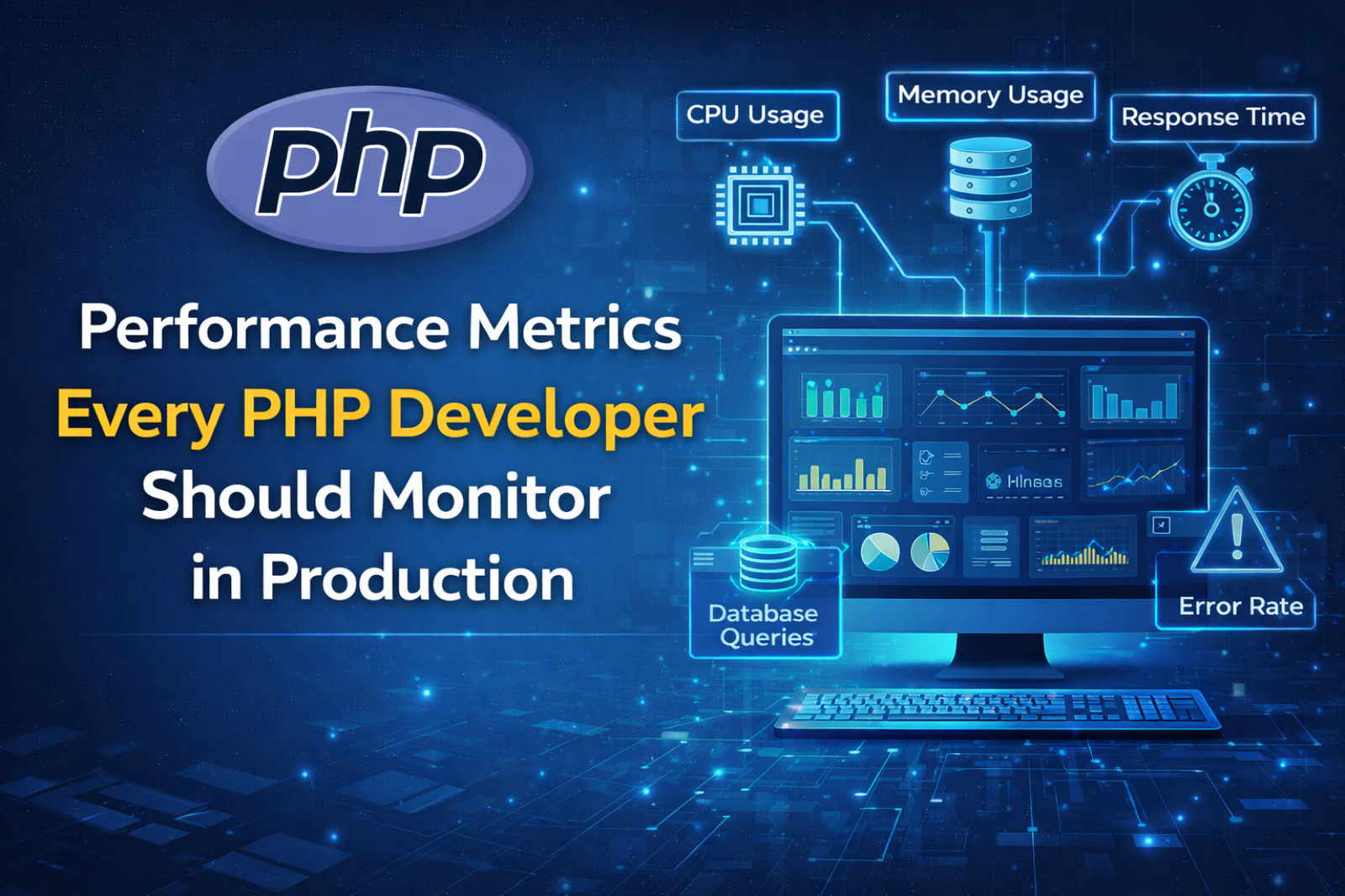
Track Response Time, Memory Usage, SQL Query Count, and CPU Load. Learn which numbers actually matter when your app feels "sluggish."
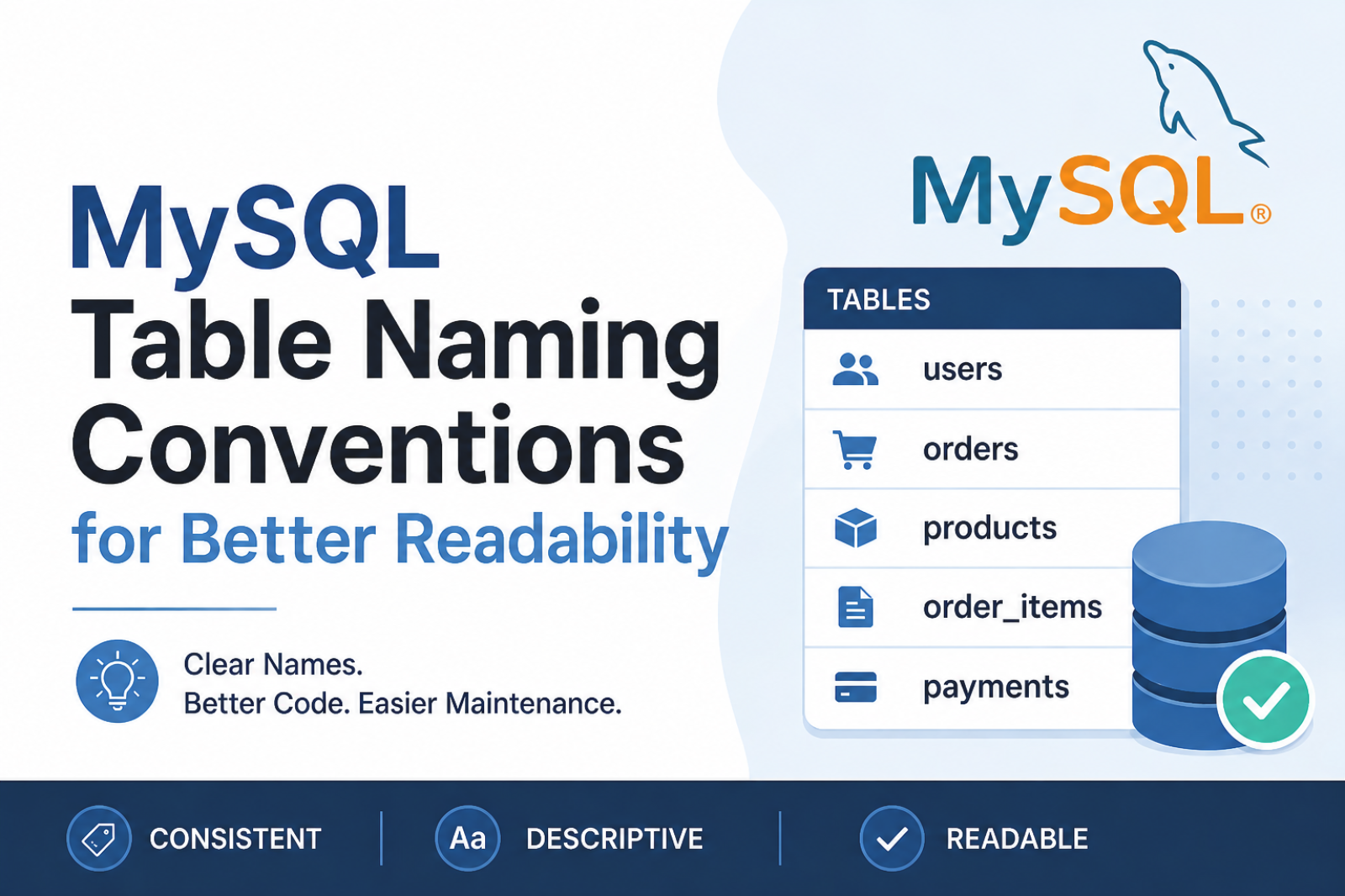
Stop using 'id1', 'id2'. Learn a consistent naming strategy for tables and columns that makes your SQL queries readable and maintainable.

You don't need New Relic. Use microtime(), Xdebug, and Chrome DevTools to find bottlenecks in your code and database execution.
Is 'echo' really faster than 'print'? Let's ignore the micro-optimizations and focus on the real architecture changes that actually speed up PHP.

How to find orphaned rows, fragmented indexes, and unused tables that are quietly slowing down your production database.
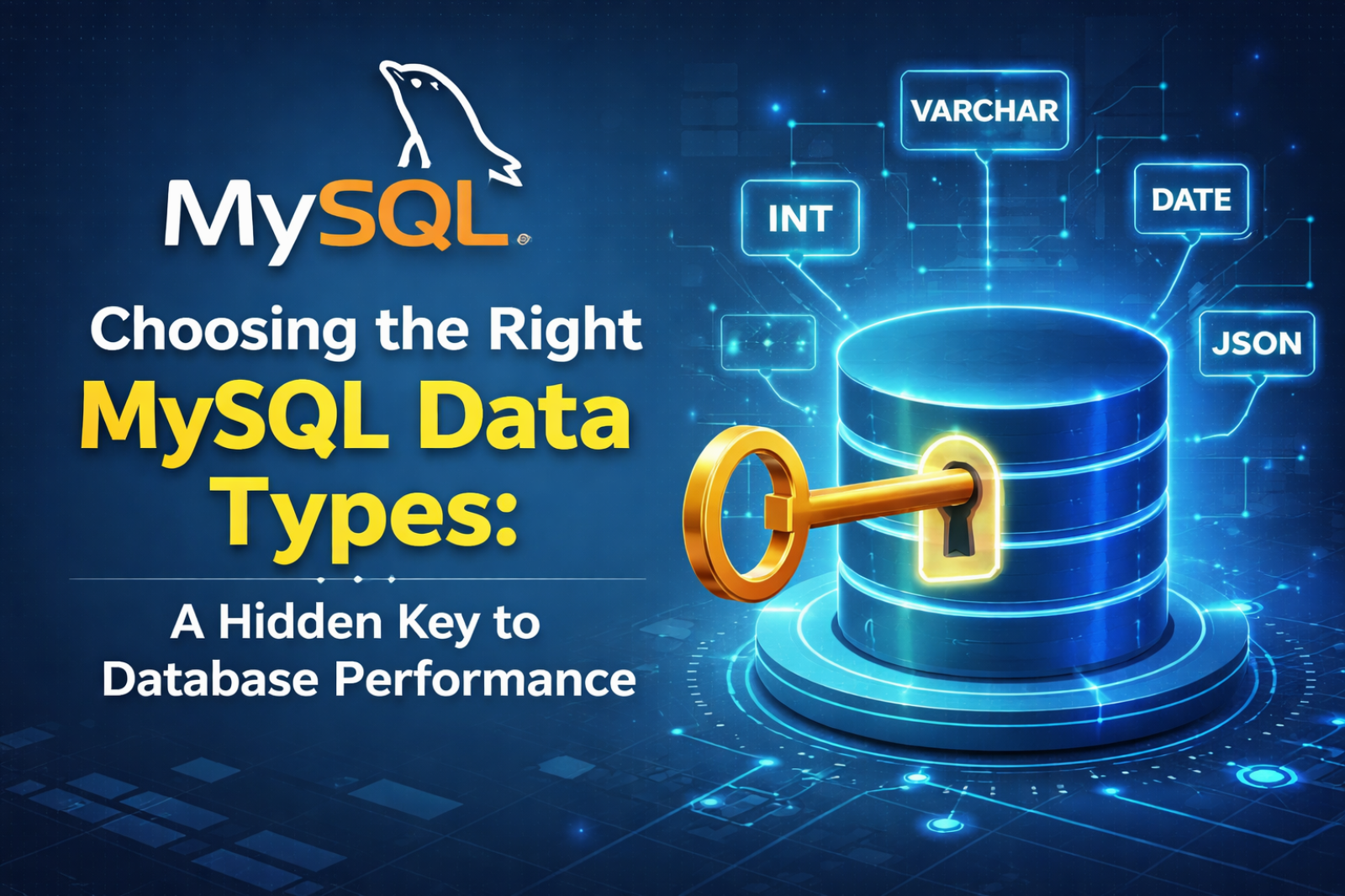
INT vs BIGINT, DATETIME vs TIMESTAMP. Understand how your choices impact index speed and storage efficiency in high-traffic apps.

The most important tool for DBAs. Learn how to read the 'type' and 'rows' columns to find out exactly why your query is taking too long.
Slow performance is typically caused by inefficient database queries, lack of caching, heavy server processing, unoptimized assets, or server misconfiguration.
PHP performance can be improved using OPcache, reducing redundant loops, minimizing database calls, and implementing caching mechanisms.
Caching stores precomputed results so that repeated requests do not require full database or server processing, significantly reducing response time.
Query optimization involves analyzing and improving SQL queries using indexing, restructuring joins, and reducing unnecessary operations.
Performance bottlenecks can be identified using profiling tools, slow query logs, server monitoring, and performance analysis utilities.