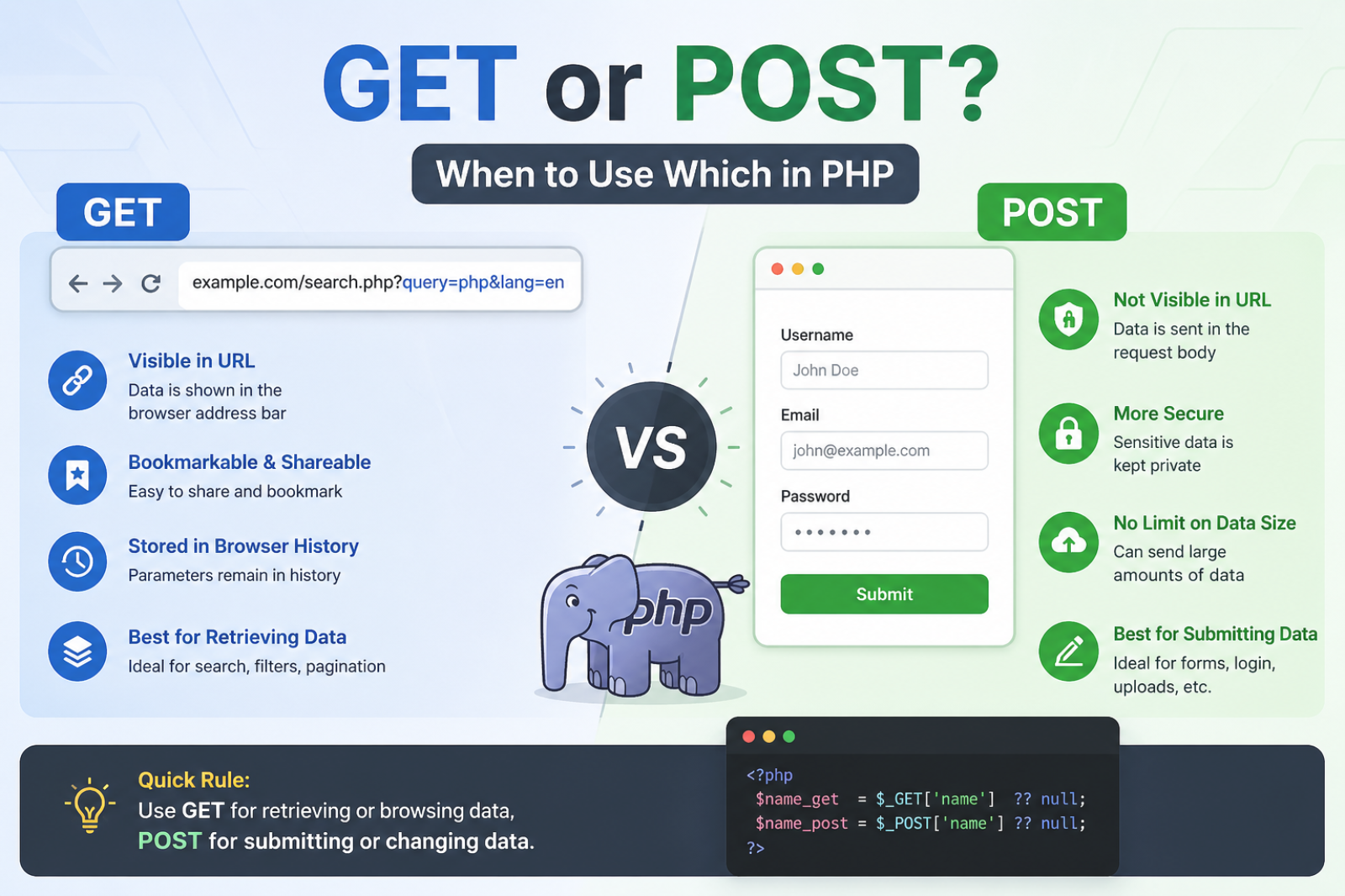
PHP $_GET vs $_POST Differences
It’s more than just "security." Understand the idempotency of GET vs POST and which one to use for search, filters, and data updates.
Explore practical PHP tutorials, backend development techniques, and real-world problem-solving guides. This section covers core PHP concepts, error handling, security practices, and performance improvements to help you build fast and secure web applications.
It’s more than just "security." Understand the idempotency of GET vs POST and which one to use for search, filters, and data updates.

Moving from flat PHP to CakePHP? A clear look at how the Model, View, and Controller interact using Cake's specific naming conventions.
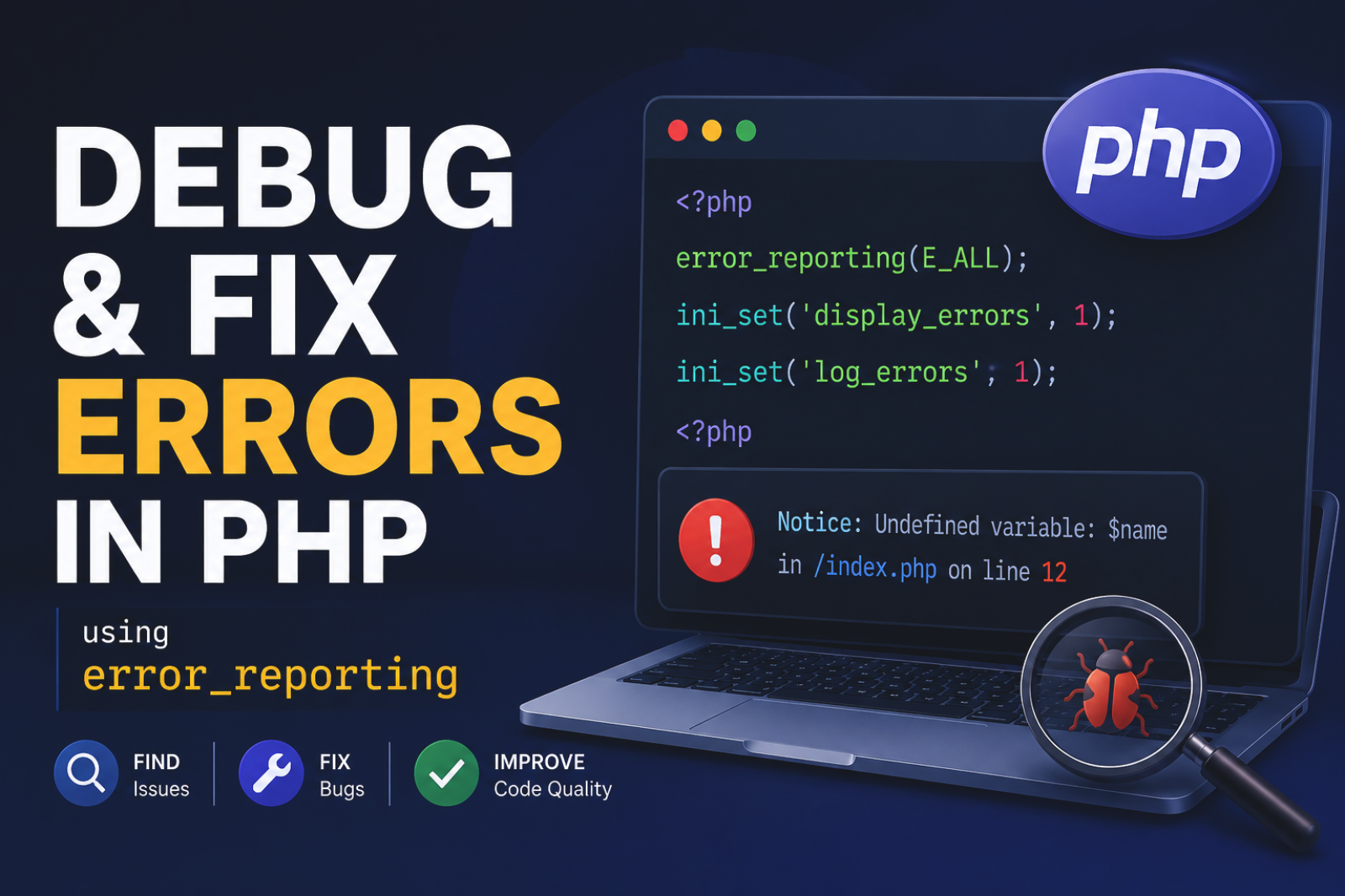
Stop guessing. Learn how to force display_errors and E_ALL in your script or php.ini to find hidden syntax and runtime errors immediately.

Real-world example: Selecting a 'Department' to dynamically load 'Employees' without a page refresh using jQuery's $.getJSON.
Stop reinventing the wheel. These built-in PHP functions handle array manipulation, string security, and timing more efficiently than custom loops.
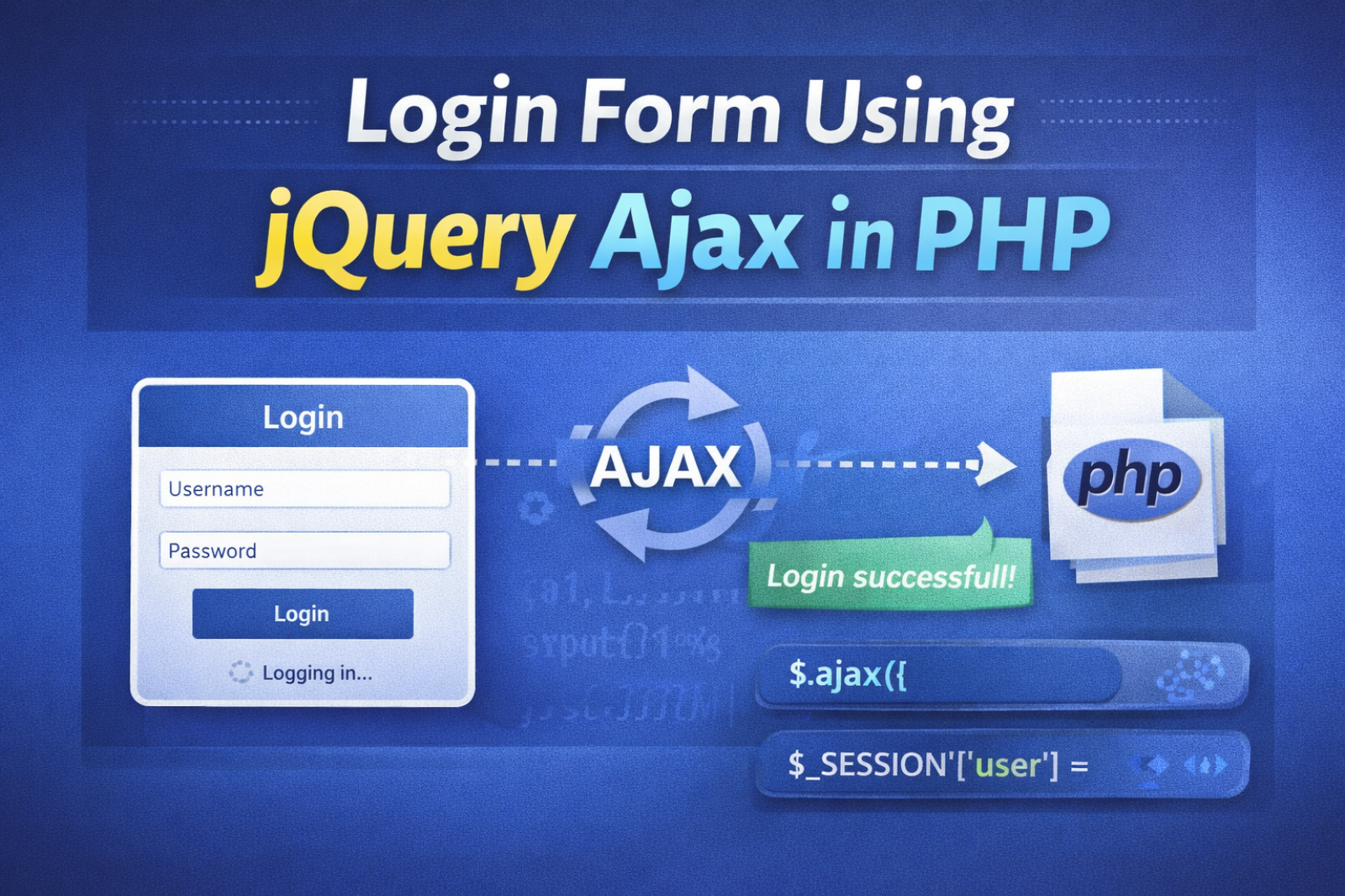
Create a simple login system using jQuery Ajax and PHP without page reload.

How to pull data from your custom module and render it in a .tpl or .twig file. Includes sample code for the controller and view.

A clean walkthrough for building your first OpenCart 2 extension. Understanding the MVC-L structure, language files, and controller logic.

Stop struggling with the mail() function. How to configure PHPMailer to send real emails from your local development environment using SMTP.

Standard 'OFFSET' pagination gets slow on large tables. Learn the 'seek method' and how to optimize MySQL LIMIT for faster load times.
PHP is a server-side scripting language used to build dynamic websites, APIs, and backend systems. It processes form data, manages sessions, interacts with databases, and generates dynamic page content.
Yes. PHP remains widely used for backend development, especially with frameworks like Laravel. It continues to power millions of websites and web applications globally.
PHP performance can be improved by enabling OPcache, reducing unnecessary database queries, implementing caching strategies, optimizing loops, and profiling slow code segments.
Common PHP errors include undefined variables, database connection failures, syntax errors, session issues, and file permission problems. Proper error reporting and logging help identify issues quickly.
PHP connects to MySQL using extensions like MySQLi or PDO. These extensions allow secure database interactions, prepared statements, and efficient query execution.